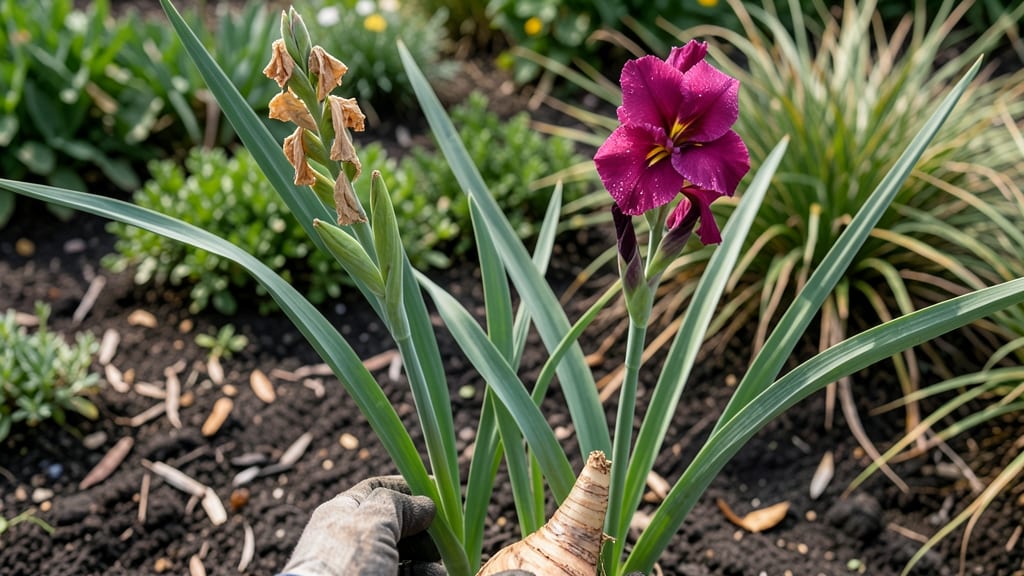
💥 Quick Answer Gladiolus do bloom more than once per season when grown in warm climates with consistent care, including deadheading spent blooms and maintaining proper moisture levels. Most gladiolus varieties follow a…
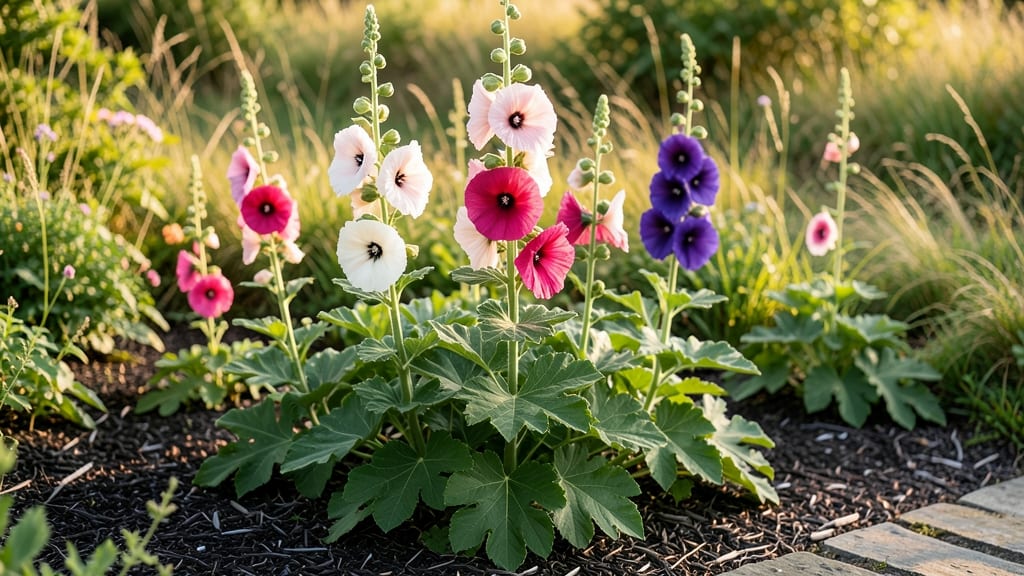
💥 Quick Answer Hollyhocks don't bloom all summer naturally, since most types produce just one main burst of flowers between late spring and early summer. You can encourage extra blooms by removing spent flowers…
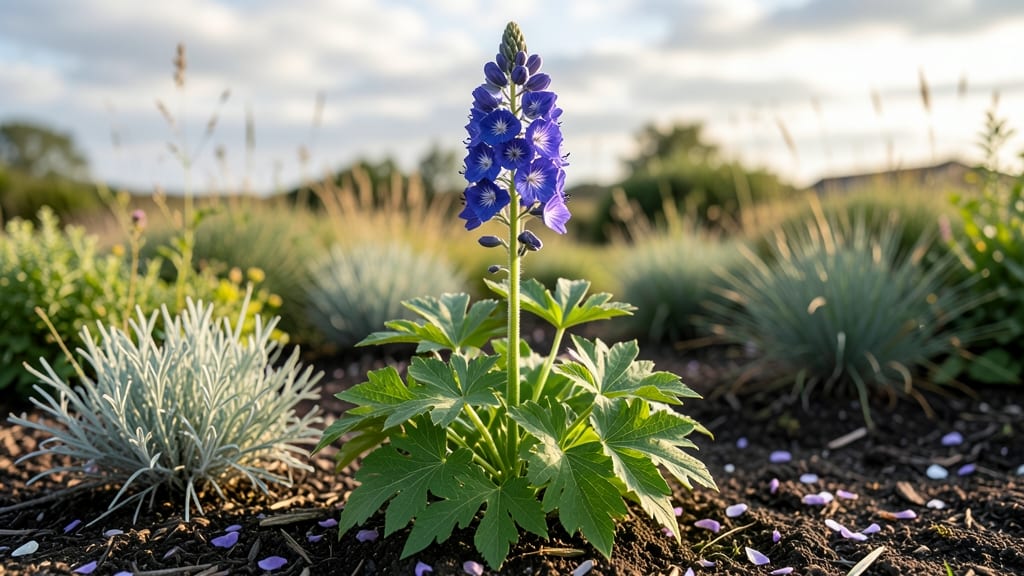
💥 Quick Answer Larkspur blooms don't last all summer—most varieties flower primarily in spring through early summer (May–July) before fading, though some late-season types may extend blooms into August. Deadheading…
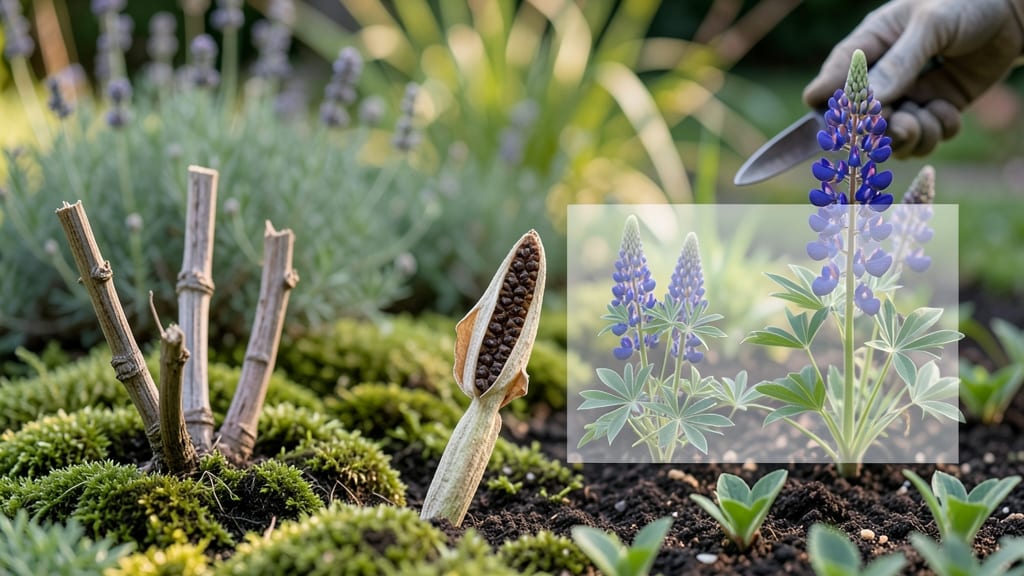
💥 Quick Answer Lupines bloom every year in mild climates as perennials, though they may behave as short-lived perennials or self-seed annually in colder areas. With proper winter care and protection, you can help them…
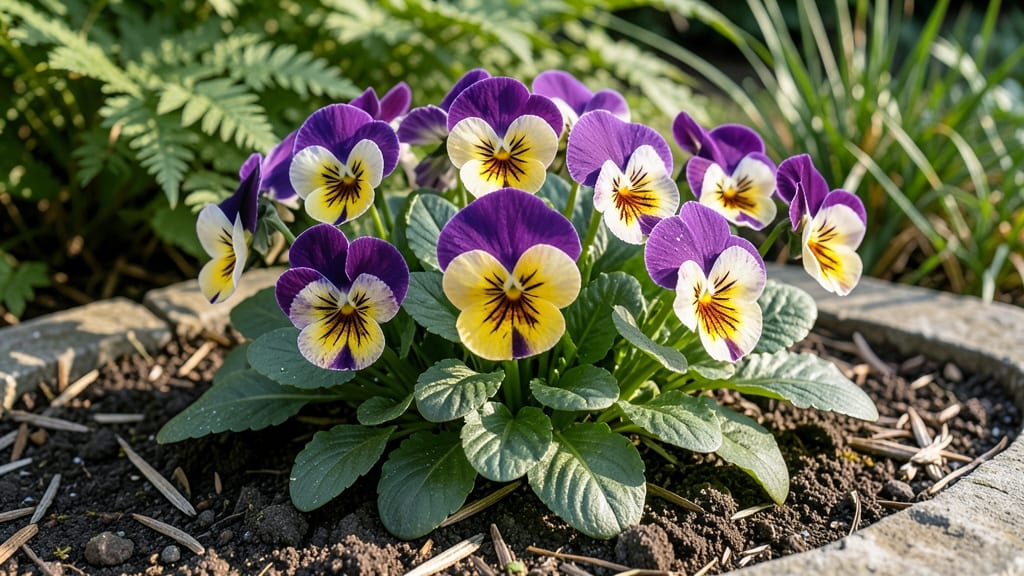
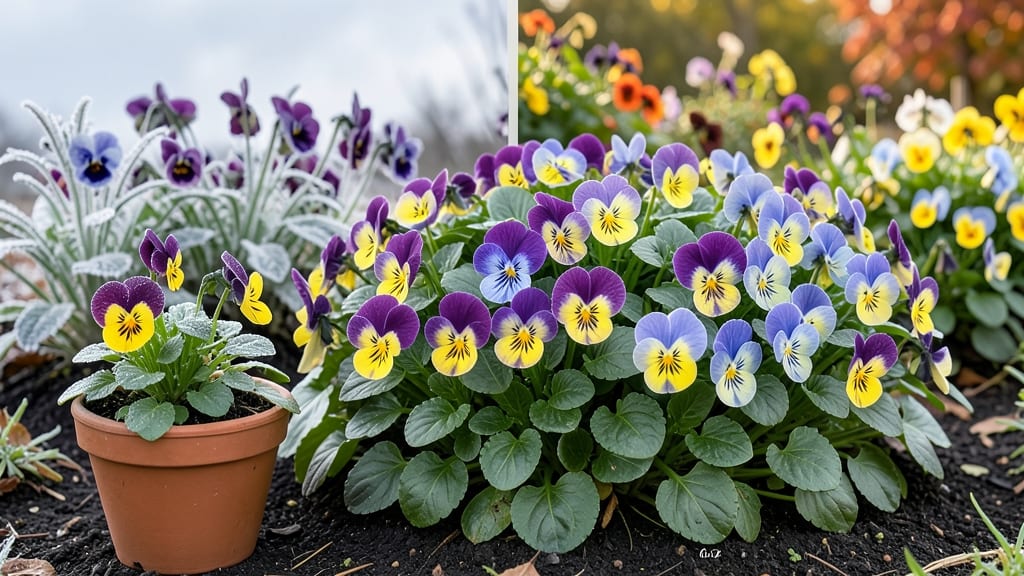
💥 Quick Answer Pansies do not bloom all summer continuously, as they're cool-season flowers that often slow or stop flowering when temperatures rise above 75°F . With consistent care—deadheading spent blooms, providing…
💥 Quick Answer Pansies bloom all year in mild climates like USDA Zones 7-10, but typically go dormant in extreme heat or cold. Hardy varieties may rebloom seasonally with proper care, while annual types thrive in cooler…
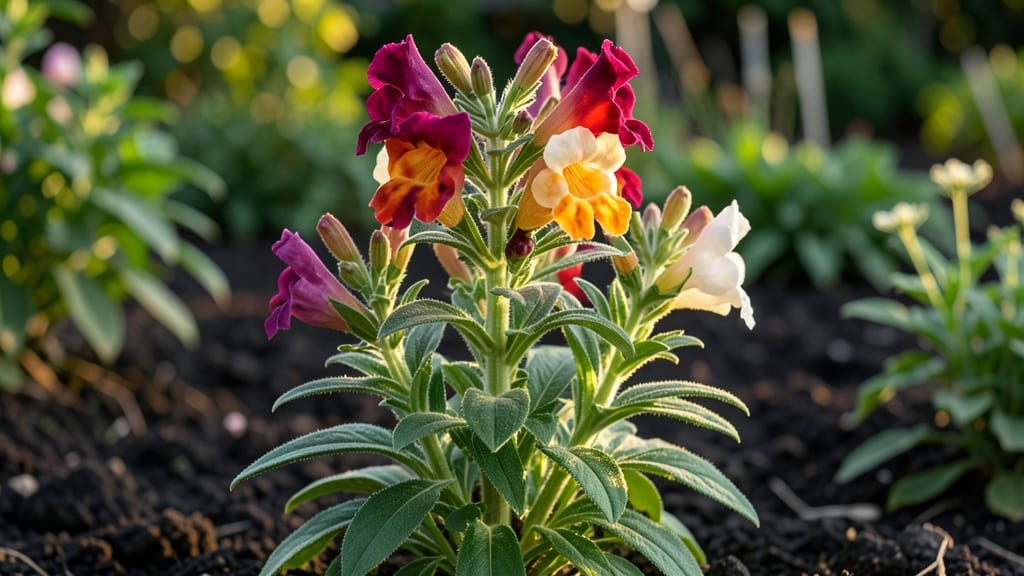
💥 Quick Answer Snapdragons don't bloom all summer continuously—most varieties flower for just 6-8 weeks before resting, though proper deadheading and care can stretch their bloom time into early fall. Perennials may…
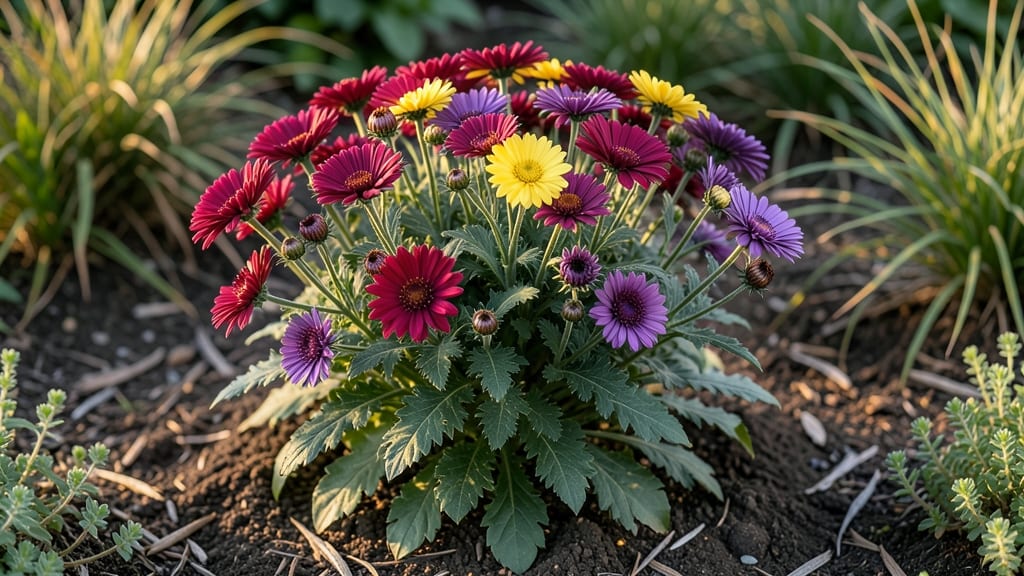
💥 Quick Answer Mums (chrysanthemums) will bloom twice per season—first in early fall and again in late fall—when you provide consistent moisture, full sunlight, and regular deadheading of spent blooms. The right…
I’ve always had a green thumb—my dad taught me how to grow tomatoes when I was eight, and I’ve been hooked ever since. There’s something deeply satisfying about watching a seedling sprout into something thriving, and I love sharing that journey with others.
This site is my way of passing along the tips, tricks, and hard-earned lessons I’ve picked up over the years, whether it’s coaxing a finicky plant back to life or celebrating a bumper crop of herbs.