
Light Requirements
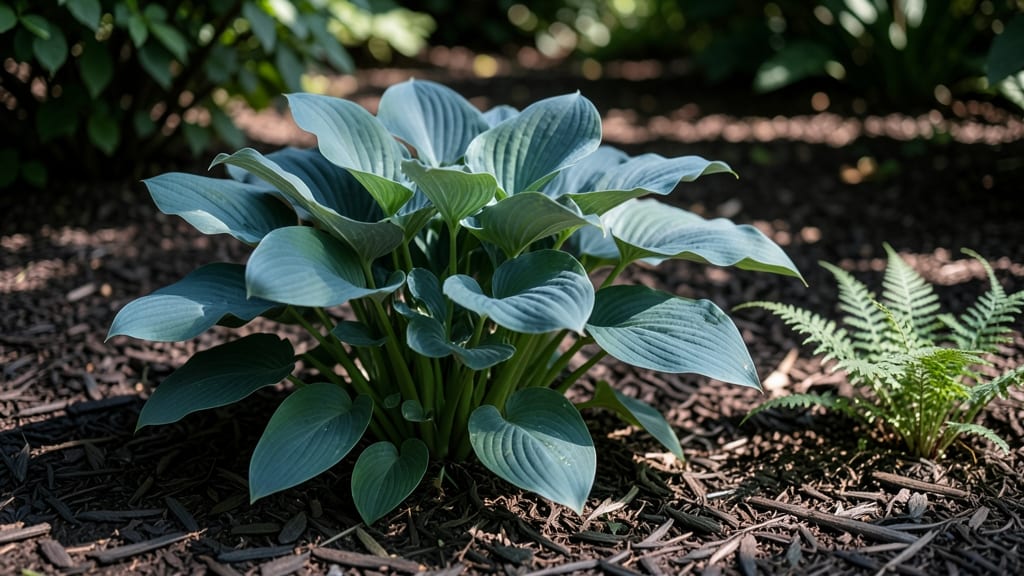
Hostas can grow in full shade, thriving in deep shadows where many plants struggle, though growth may be slower and foliage less vibrant without some filtered light. Choose shade-tolerant varieties like 'Blue Angel' or 'Francee' for best results.
Hostas are the unsung heroes of shady gardens, adapting beautifully to conditions where other perennials would wither. 🌿 Their secret lies in efficient photosynthesis under low light—while they won't grow as large as sun-loving plants, their deep green or variegated leaves still deliver stunning visual impact.
The trade-off? Slower growth and occasional paler foliage, but with proper soil moisture and nutrient-rich compost, you'll still get lush, healthy plants that reward patience with dramatic foliage displays throughout the season.
For gardeners working with dense tree canopies or north-facing yards, this adaptability makes hostas a game-changer. The key varieties like 'Blue Angel' develop striking blue-gray hues in shade, while 'Francee' maintains its golden edges even in dim conditions.
What's fascinating is how their root systems adapt—hostas develop deeper, more extensive roots in low-light environments to access nutrients more efficiently.
💡 In This Article
- How Shade Affects Hostas’ Growth and Health
- Top 10 Shade-Loving Hosta Varieties for Dark Gardens
How shade affects hostas’ growth and health
Hostas thrive in full shade because their leaves contain chlorophyll b and anthocyanins, pigments that capture even low-intensity light for photosynthesis.
Unlike sun-loving plants, hostas can efficiently convert blue and green wavelengths (which penetrate deeper into shade) into energy, though their growth rate slows by 30-50% compared to full-sun conditions. This adaptation explains why they maintain vibrant foliage under trees where other perennials yellow or die back.
The trade-off is visible in leaf color and texture. In deep shade, hostas develop darker green or blue-gray hues (like 'Blue Angel') due to higher anthocyanin production, while variegated varieties may lose their yellow edges.
For example, 'Francee' retains its golden centers in partial shade but fades to green in full sun. 🌿 Root development also shifts—hostas grow deeper, more fibrous roots in low light to access moisture and nutrients from compacted soil layers, making them more drought-tolerant than they appear.
Shade also reduces stress-related diseases. With less direct sunlight, fungal spores (like powdery mildew) have fewer opportunities to thrive, and the cooler, more humid conditions under tree canopies suit hostas' natural habitat in woodland understories.
However, this protection comes with a catch: nutrient competition increases as roots compete with trees for water and minerals. Amending soil with compost or slow-release fertilizer every 2-3 years compensates for this imbalance.
Leaf size and shape change predictably in shade. Hostas grown in full sun develop larger, thicker leaves (up to 25% bigger in area) due to increased photosynthesis, while shaded plants produce smaller, more upright foliage with tighter spacing between leaves.
This compact growth makes them ideal for tight garden spaces but may require staking for varieties like 'Sum and Substance' to prevent flopping.
One surprising benefit of shade is prolonged bloom time. Hostas like 'June' or 'Halcyon' produce fewer but longer-lasting flowers when shaded, as the plant diverts energy from foliage growth to reproductive efforts.
The flowers also develop darker purple hues in low light, adding another layer of visual interest. For gardeners, this means fewer deadheading chores and more consistent summer color.
Consider this: Hostas in full shade may take 2-3 years longer to reach maturity compared to sun-exposed plants, but their long-term resilience makes them a low-maintenance investment. The key is patience—once established, shaded hostas often outlive sun-grown counterparts by 5-10 years due to reduced stress from heat and drought.