
Light Requirements
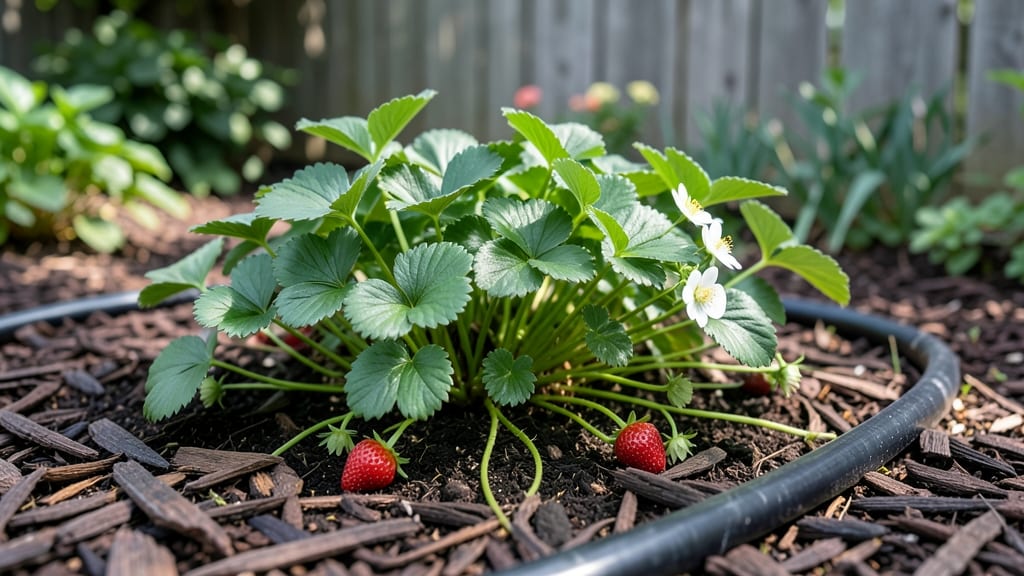
Strawberries can grow in part shade, though yields may be smaller and fruit less sweet. June-bearing varieties tolerate shade best, while everbearing and day-neutral types thrive with at least 6 hours of morning sun. Shade reduces photosynthesis but prevents sunburn and extends fruiting seasons in hot climates.
Growing strawberries in partial shade is absolutely possible, but the trade-offs are real.
The less sunlight your plants get, the more their energy goes toward survival rather than producing those juicy, sweet berries you love. 🌱 What’s interesting is how different varieties handle shade—some like June-bearing types actually prefer it, while others need that morning sun to really shine (literally).
I’ve found that even in shady spots, you can still get a decent harvest if you choose the right plants and manage the environment properly.
For example, varieties like 'Albion' or 'Ozark Beauty' are known for their shade tolerance, making them great choices if your garden only gets dappled light. The key is to balance shade with good air circulation and mulch to keep roots cool.
This way, you avoid the common pitfalls like mold or weak growth that come with too much darkness.
💡 In This Article
- How Shade Affects Strawberry Growth and Fruit Quality
- Top Shade-Tolerant Strawberry Varieties for Low-Light Gardens
How shade affects strawberry growth and fruit quality
Shade directly impacts strawberry plants through photosynthesis—the process where leaves convert sunlight into energy. Strawberries need about 6-10 hours of sunlight daily for optimal growth, but in partial shade (3-6 hours of light), their chlorophyll production slows.
This means fewer sugars are created, leading to smaller berries with less vibrant color and milder flavor. The sugar content in fully sun-exposed strawberries can reach 8-12%, while shaded berries often hover around 4-6%, making them less sweet and more tart.
The type of shade matters too. Dappled light from trees allows some sunlight to filter through, which helps maintain better fruit quality than dense, continuous shade. Morning sun is especially valuable because it provides the cool, gentle light strawberries need to start their day without overheating.
Afternoon shade, however, can be beneficial in hot climates, as it prevents sunburn on the leaves and fruit. The trade-off? Shaded plants may take 10-14 days longer to ripen compared to those in full sun, and their yield could drop by 30-50% depending on the variety.
Shade also affects plant structure. With less energy available, strawberries put more resources into leaf growth rather than flowering and fruiting. This can result in lush foliage but fewer berries. Additionally, dense shade increases humidity around the plants, creating ideal conditions for fungal diseases like powdery mildew or gray mold.
To combat this, gardeners should prioritize good air circulation and avoid overhead watering, which can worsen moisture-related issues in shaded areas.
One unexpected benefit of shade is protection from extreme heat. In regions with scorching summers, partial shade can extend the fruiting season by preventing stress on the plants.
For example, everbearing varieties like 'Seascape' may produce a second crop in late summer or early fall when full sun would otherwise cause the plants to shut down. However, this extension comes with a cost: the berries may be smaller and less flavorful due to reduced photosynthesis during peak heat.
Consider the microclimate of your garden. Northern slopes or areas under large trees often receive partial shade naturally. In these spots, strawberries can still thrive if you choose the right varieties and supplement with reflective surfaces (like white mulch or gravel) to bounce extra light onto the plants.
This simple trick can boost light exposure by 10-20%, making a noticeable difference in fruit quality.
For gardeners in shaded areas, the key is to manage expectations. While strawberries won't reach their full potential in part shade, they can still produce a decent harvest with careful variety selection and proper care.
The goal shifts from maximizing yield to optimizing flavor and health—something many gardeners find just as rewarding. 🌿